The Puzzle That Explains Why Planning Poker Actually Works
Here’s a question for you. If you had exactly one chance, one single measurement, to catch a liar hiding among a group of honest people, could you do it?
Sounds impossible. But there’s an old TV detective puzzle that proves you can, and once you see how, you’ll never look at Planning Poker the same way again.
The Riddle Nobody Could Solve on the Spot
Back in 1977, a crime show called Columbo aired an episode, “The Bye-Bye Sky High I.Q. Murder Case” where a member of a genius club decides to test the detective’s intelligence. He hands Columbo a riddle and calls it a “minimum information problem.” The name alone is a warning. It means: I’m giving you almost nothing to work with, and you still have to find the exact answer.
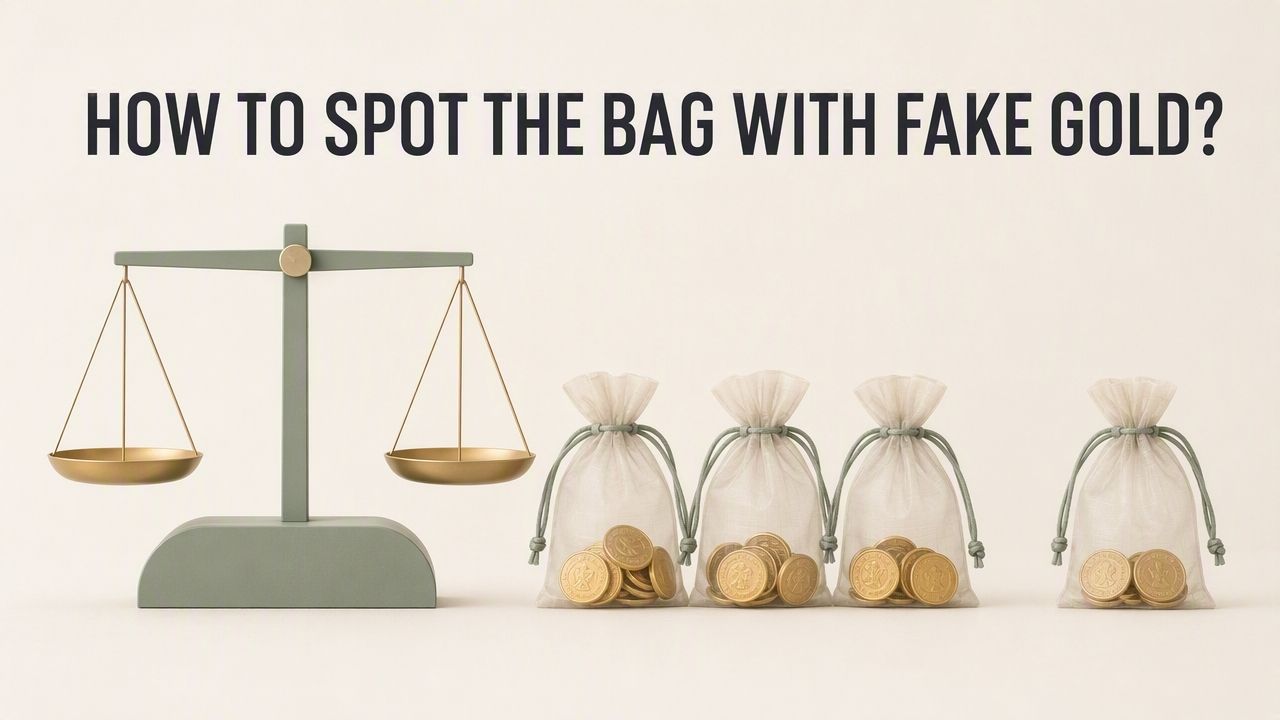
The riddle goes like this. You have several bags of gold coins. All the coins look identical. But one bag, just one, is full of fakes that are slightly heavier than the real thing. You have a scale, but here’s the catch: you only get to use it once.
How do you find the fake bag in a single weighing?
Take a second and think about it before reading on. It’s a genuinely fun one to sit with.
The Trick Is in How You Sample, Not How Much You Sample
The answer isn’t about weighing more coins. It’s about weighing them in a pattern that turns one number into a map.
Take 1 coin from bag one, 2 coins from bag two, 3 coins from bag three, and so on. Pile them all on the scale together and weigh them once.
If every coin were real, the total would land on a clean, expected weight. But because one bag is fake, the total comes in heavier than expected, by an amount that matches exactly how many coins you pulled from that bag. Two ounces too heavy? Bag two is the fake. Five ounces too heavy? Bag five.
One weighing. One number. One certain answer, out of what looked like almost no information at all.
The real lesson here isn’t “one measurement is enough.” It’s that you can design how you collect a small amount of information so that nothing important gets lost inside it. That idea, it turns out, shows up in a place every Scrum team already knows.
Planning Poker Isn’t Really About the Numbers
Here’s what Planning Poker actually is, for anyone who hasn’t run into it yet. When the team sits down to estimate a piece of work, everyone silently picks a card with a number on it, often something like 1, 2, 3, 5, 8, following the Fibonacci sequence. Nobody shows their card until everyone has picked. Then all cards flip over at once.
Why hide the numbers first? Because if the first person says “I think this is a 5,” everyone else quietly adjusts toward 5, even the people who genuinely believed it was an 8 or a 2. You don’t get an honest estimate anymore. You get a room full of people agreeing with whoever spoke first.
By forcing everyone to commit before anyone talks, the team protects something fragile: what each person actually thought, before hierarchy, confidence, and group opinion had a chance to reshape it. That’s not the same mechanism as the coin puzzle, but it runs on the same principle. Good decisions aren’t always about gathering more information. Sometimes they’re about designing the moment of collection so the important signal survives long enough to be seen.
The Most Valuable Card Isn’t the One Everyone Agrees On
If three people flip a 3 and one person flips an 8, it’s tempting to treat that 8 as an outlier to smooth over. Don’t.
That lone 8 isn’t noise. It’s information. Maybe that person spotted a technical dependency nobody else noticed. Maybe they remember a similar task that turned into a mess last quarter. Or maybe they misunderstood the task, which is worth knowing too. Either way, the disagreement itself is the useful part, and it only survived because nobody spoke before the cards were revealed.
The goal of Planning Poker was never to get everyone to land on the same number as fast as possible. The goal is to understand why they didn’t.
The Bigger Lesson
This isn’t only a Planning Poker trick. It applies anywhere a team needs honest input before groupthink sets in: risk identification, retro questions, prioritization calls, stakeholder feedback. The pattern is the same each time. Ask people to think independently first. Reveal everything at once. Then discuss the differences, not just the average.
Next time your team flips those Planning Poker cards, pay attention to what happens right before the discussion starts. For a brief moment, you can see what each person actually thinks, before the room starts talking them out of it. That’s the real value of the exercise. It doesn’t make estimates magically accurate. It makes hidden information visible.
